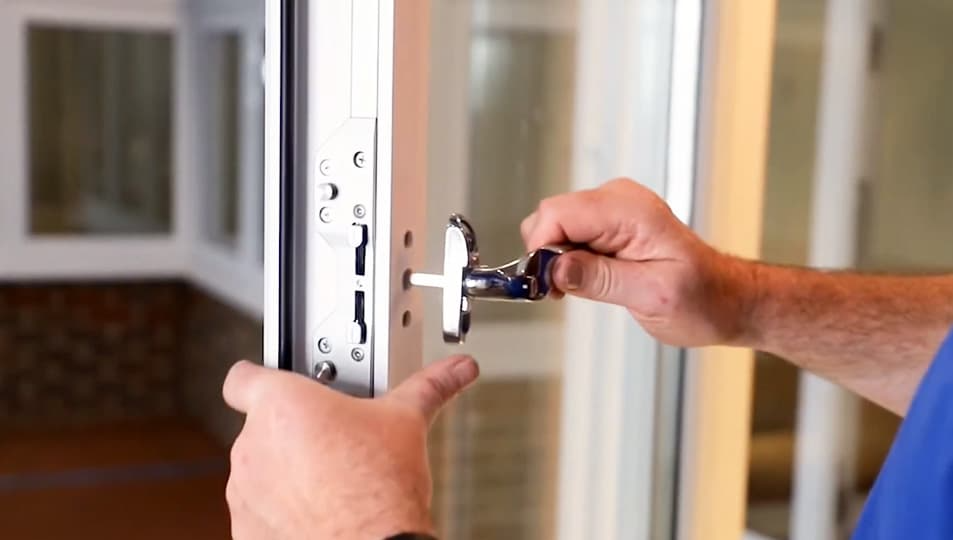
The Importance of Lock Maintenance: A Comprehensive Guide
Locks are often the first line of defense for our homes and services, supplying security and peace of mind. Nevertheless, like any other mechanical gadget, locks need routine upkeep to function efficiently and reliably. Disregarding lock maintenance can result in a host of concerns, from jamming and sticking to outright failure. This post explores the importance of lock maintenance, provides a step-by-step guide on how to keep different types of locks, and addresses some regularly asked concerns to help you keep your locks in leading condition.
Why Lock Maintenance is Crucial
- Boosted Security: Regular upkeep ensures that your locks are functioning as created, lowering the threat of unapproved access.
- ** Durability **: Proper care can extend the lifespan of your locks, saving you cash on replacements and repairs.
- Reliability: Well-maintained locks are less most likely to stop working when you need them most, such as throughout a burglary attempt.
- Aesthetic appeals: Clean and properly maintained locks can improve the look of your home or company.
- Compliance: Some insurance policies and structure codes require regular lock upkeep to ensure security and security standards are satisfied.
Types of Locks and Their Maintenance Needs
Deadbolts
- Cleaning: Wipe the lock and keyhole with a dry fabric to eliminate dust and debris.
- Lubrication: Apply a light covering of graphite powder or a silicone-based lubricant to the keyhole and moving parts.
- Look for Damage: Inspect the lock for any indications of wear or damage, such as loose screws or a jammed bolt.
Cylinder Locks
- Secret Maintenance: Clean the secrets routinely with a soft cloth and store them in a dry location to prevent rust.
- Keyhole Cleaning: Use a little, soft-bristled brush or compressed air to clean up out the keyhole.
- Lubrication: Apply a couple of drops of a lube created for locks to keep the mechanism smooth.
Padlocks
- Exterior Cleaning: Wipe the padlock with a moist cloth to eliminate dirt and gunk.
- Interior Lubrication: Use a lube particularly designed for padlocks to keep the mechanism working efficiently.
- Weather condition Protection: If used outdoors, think about a padlock cover to secure against wetness and deterioration.
Electronic Locks
- Battery Replacement: Check the battery level frequently and replace batteries when they are low to prevent lockouts.
- Reset and Update: Follow the producer's guidelines to reset the lock and update any software or firmware.
- Sensor Cleaning: Clean the lock's sensing units and keypads with a soft, lint-free fabric to prevent breakdowns.
Padlock Hasps
- Tighten Screws: Check and tighten any loose screws to ensure the hasp is firmly attached.
- Oil Hinges: Apply a lubricant to the hinges to keep them moving efficiently and prevent rust.
- Examine for Damage: Look for any signs of wear, such as bent metal or rust, and replace the hasp if required.
Step-by-Step Guide to Lock Maintenance
Gather Tools and Materials
- Screwdriver
- Graphite powder or silicone-based lubricant
- Soft cloth
- Compressed air
- Soft-bristled brush
- Wrench or pliers (if needed)
Clean the Exterior
- Utilize a soft fabric to wipe down the lock and surrounding area. This removes dust, dirt, and grime that can collect and impact the lock's efficiency.
- For padlocks, clean the outside with a damp fabric and dry it completely to avoid rust.
Clean the Keyhole
- Utilize a soft-bristled brush or compressed air to remove any debris from the keyhole.
- For electronic locks, clean the sensing units and keypads also.
Lubricate the Lock
- Use a light finishing of graphite powder or a silicone-based lube to the keyhole and moving parts of the lock.
- For padlocks, utilize a lube specifically created for padlocks.
- Avoid utilizing oil-based lubricants, as they can draw in dust and dirt, causing more frequent cleansing.
Look for Damage
- Inspect the lock for any signs of wear or damage, such as loose screws, bent metal, or rust.
- For deadbolts, ensure that the bolt moves smoothly which the strike plate is appropriately aligned.
Tighten Up Screws and Adjustments
- Use a screwdriver to tighten up any loose screws on the lock or strike plate.
- For padlock hasps, tighten the screws to ensure a secure fit.
Test the Lock
- Lock and unlock the lock a number of times to ensure it is working appropriately.
- For electronic locks, test the battery level and the lock's response to your code or card.
Frequently Asked Questions About Lock Maintenance
Q: How typically should I maintain my locks?
- A: It is suggested to carry out regular upkeep on your locks at least when a year. Nevertheless, locks in high-traffic locations or those exposed to extreme weather condition conditions may need more regular attention.
Q: Can I utilize WD-40 to lubricate my locks?
- A: While WD-40 can be utilized in a pinch, it is not the best choice for long-lasting lock upkeep. WD-40 is primarily a water-displacement solvent and can attract dust and dirt, leading to a buildup that can trigger the lock to jam. Use graphite powder or a silicone-based lube instead.
Q: What should I do if my lock is stuck?
- A: If your lock is stuck, try using a lubricant to the keyhole and moving parts. If this does not work, you might need to disassemble the lock and tidy it thoroughly. In cases where the lock is badly jammed, it might be best to call a professional locksmith professional.
Q: How can I avoid rust on my locks?
- A: To avoid rust, keep your locks dry and clean. For outdoor locks, consider using a rust-resistant lubricant and a padlock cover. If you live in a damp area, you may need to oil the locks more regularly.
Q: Should I replace my lock if it is old but still working?
- A: If your lock is old but still functional, it is not required to replace it right away. Nevertheless, think about the security standards of the lock and the level of protection it offers. try this may not meet current security requirements and might be more prone to tampering or breaking.
Q: Can I clean my electronic lock with water?
- A: No, do not use water to tidy electronic locks. Water can damage the internal elements and trigger the lock to breakdown. Rather, utilize a soft, lint-free fabric to wipe down the lock and clean the sensors and keypads.
Extra Tips for Lock Maintenance
- Regular Inspections: Make it a habit to check your locks routinely for any signs of wear or damage.
- Expert Help: If you are unsure about how to preserve a particular kind of lock, speak with an expert locksmith professional.
- Key Care: Take care of your secrets by keeping them tidy and preventing dropping them on difficult surface areas.
- Protect Storage: Store extra secrets in a safe place, such as a safe or with a relied on neighbor, to prevent the need to require a lock open in an emergency.
- Weatherproofing: For outdoor locks, consider utilizing weatherproof covers and rust-resistant lubes to safeguard versus the elements.
Maintaining your locks is a simple yet vital job that can considerably enhance the security and reliability of your home or business. By following the steps detailed in this guide and sticking to the pointers and FAQs, you can guarantee that your locks stay in leading condition for many years to come. Keep in mind, a well-kept lock is a secure lock, offering you with the comfort you require to secure what matters most.
References
- Locksmith Professional Association of America (LAA): www.locksmithassociation.org
- Sherlock Locks: www.sherlocklocks.com
- Home Security Store: www.homeseecuritystore.com
By putting in the time to look after your locks, you not just improve your security however likewise extend the life of these important components. Stay safe and secure with routine lock upkeep.